
Women’s Health Physiotherapy
Expert support for every stage of your Journey.

At Macarthur Physiotherapy, we provide a private and dedicated environment for women’s health. From pelvic floor dysfunction to pregnancy and postpartum support, our specialized, female-led team provides the expert care you need to move with confidence.
We are committed to helping the Campbelltown community reclaim their quality of life through personalized, evidence-based clinical solutions.
Conditions We Support

Pre-Natal & Support During Pregnancy
-
Pregnancy related pelvic girdle pain
Neuralgias: carpal tunnel syndrome, meralgia paresthetica
Lower back pain
Exercise classes

Post-Partum Recovery
-
Abdominal separation (diastasis recti)
Birth related perineal floor injuries or trauma
Pelvic floor strengthening
Postpartum exercises
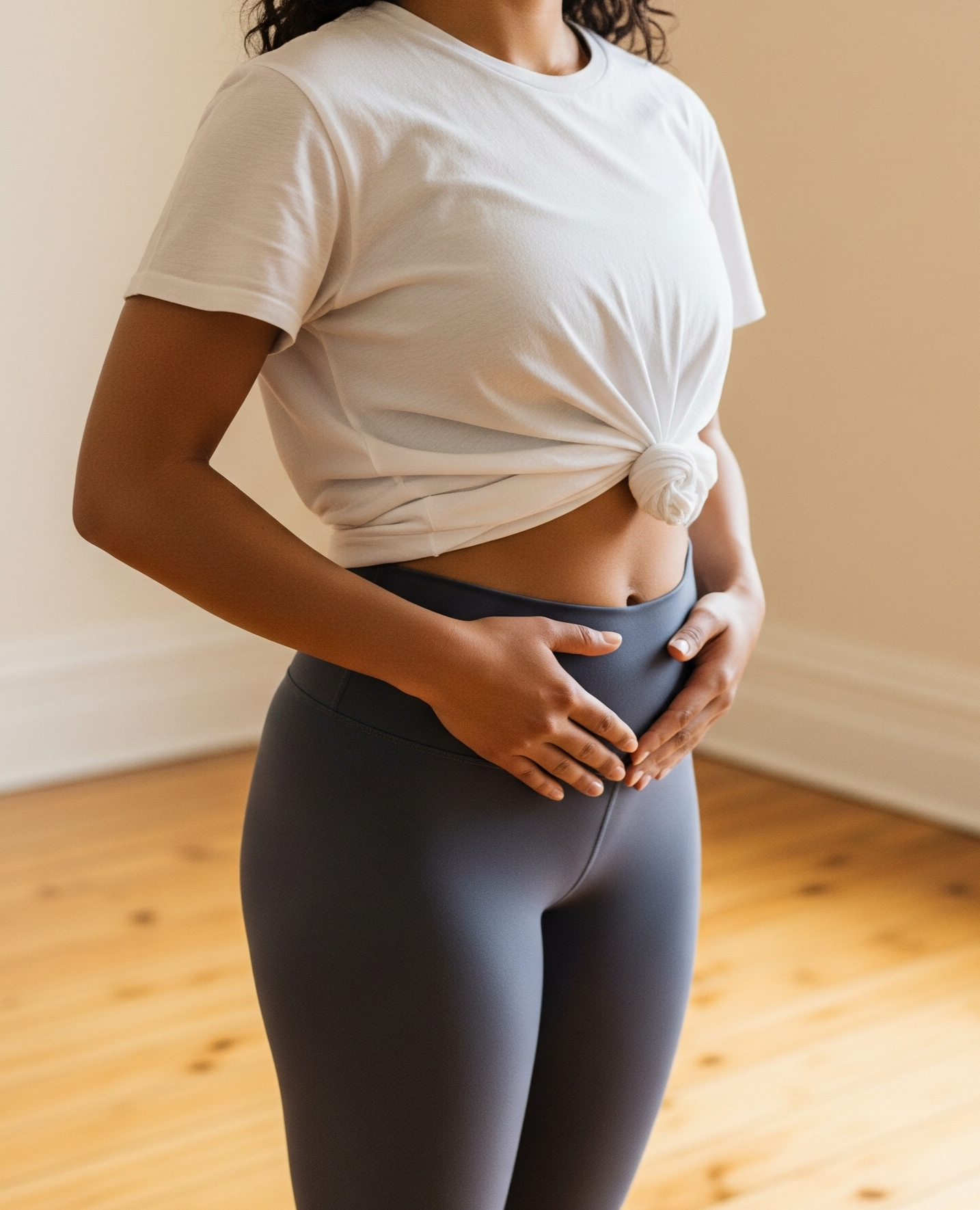
Pelvic Floor Health and Continence
-
Bladder incontinence: urge and stress incontinence
Bowel incontinence: faecal, constipation
Pelvic organ prolapse
Our Personalised Approach
Since 1989, Macarthur Physiotherapy has been a trusted part of the Macarthur community. Our philosophy is centred around providing personalised, one-on-one physiotherapy consults in a private and supportive setting. Your appointment will be thorough and unrushed, allowing us to truly understand your concerns and develop a tailored treatment plan that addresses your specific needs. We are here to listen, understand, and help you on your journey to better health.
Our Women's Health Services
Pre and Postnatal Education
We support you throughout pregnancy and into motherhood with guidance on pelvic floor care, birth preparation, and postpartum recovery. We'll help you understand your body and return to daily life and exercise with confidence.
Real-Time Ultrasound
This painless, non-invasive tool provides instant visual feedback, helping you learn how to properly engage your core and pelvic floor for better control and confidence.
Internal Pelvic Floor Assessment
Where appropriate and with your consent, an internal examination may be performed to assess pelvic floor strength, coordination, and function - providing a more accurate understanding of the muscles contributing to symptoms like incontinence or prolapse, and helps tailor your treatment effectively.
Female Therapist
All women’s health sessions are conducted by a qualified female physiotherapist with expertise in pelvic health. We provide a respectful, supportive space where you can feel comfortable discussing sensitive concerns.
Bladder and Bowel Retraining
We support you in improving bladder and bowel habits using education, behaviour strategies, pelvic floor training, and lifestyle adjustments. This is beneficial for concerns such as urinary urgency, frequency, constipation, or accidental leakage.
Personalised Exercise Programs
We design a targeted exercise plan that supports your goals, physical capacity, and stage of life. These may include strength work, stretching, breathing strategies, or low-impact reconditioning to promote long-term health.
FAQ’s
-
Pelvic floor physiotherapy is a specialised area of physiotherapy that focuses on assessing and treating the muscles, ligaments, and connective tissues of the pelvic floor. These muscles play a crucial role in bladder and bowel control, sexual function, posture, and core stability. Thus, anyone experiencing pelvic floor dysfunction can benefit — this includes women who are pregnant, postpartum, peri- or post-menopausal, or recovering from gynaecological surgery. Common symptoms include urinary leakage, pelvic organ prolapse, difficulty with bowel control or pelvic pain.
-
Yes, physiotherapy is safe and often recommended during pregnancy and after birth. We tailor sessions to your stage of recovery or trimester and focus on supporting comfort, strength, and long-term pelvic health.
-
Not at all. It’s never too late to improve pelvic floor function. Many women see meaningful improvements years — even decades — after childbirth with the right assessment and guidance. Physiotherapy can help at any stage of life.
-
The initial appointment involves discussing the duration, intensity of your primary concerns, medical history and goals. This is followed by a physical examination which includes a trans-abdominal real time ultrasound during which helps us to assess your bladder capacity, pelvic floor activation and effect of stress like coughing on pelvic floor. This is normally followed by an internal examination. Based on findings, you will be prescribed an individualised treatment plan to help address your concerns.
-
No. Internal exams are helpful but not always necessary. We’ll explain the purpose and only proceed if you feel comfortable and give informed consent. If you consent for internal examination, we do not use any instruments and you can recede your consent at any time if feeling uncomfortable. We can also use alternative techniques like real-time ultrasound and perineal and ano-rectal observation.
-
There’s enough space in the treatment room for a pram, and we’re happy to accommodate your needs during the session.
-
The duration of initial appointment is 60 minutes with each follow up session 30 minutes in duration.
-
Based on assessment, the physiotherapist might recommend physiotherapy treatments once per week or once per fortnight.
-
Yes, if you have extras cover that includes physiotherapy, you can use your private health insurance. It typically covers a portion of the session cost, and a gap payment may apply depending on your level of cover.

Nikita is our resident Women’s Health Physiotherapist located in our Campbelltown clinic. If you are unsure of how we may be able to help you, or wish to make a booking, give us a call on 02 4628 0026.